
Japan’s Rs. 600 Million River Project Faces Sri Lanka’s Pollution Accountability Test
Japan’s commitment of more than Rs. 600 million to improve water quality in the Kelani River basin has renewed scrutiny of Sri Lanka’s ability to protect one of its most important drinking-water sources. While the five-year initiative promises advanced scientific monitoring and technical cooperation, the critical question is whether better data will finally translate into effective pollution control and safer water for millions.
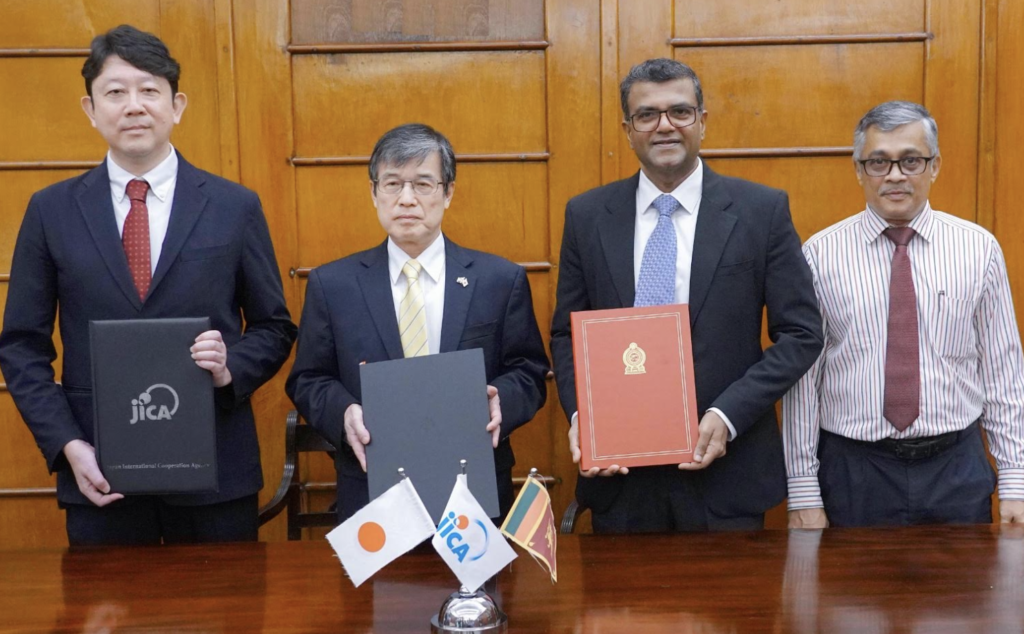
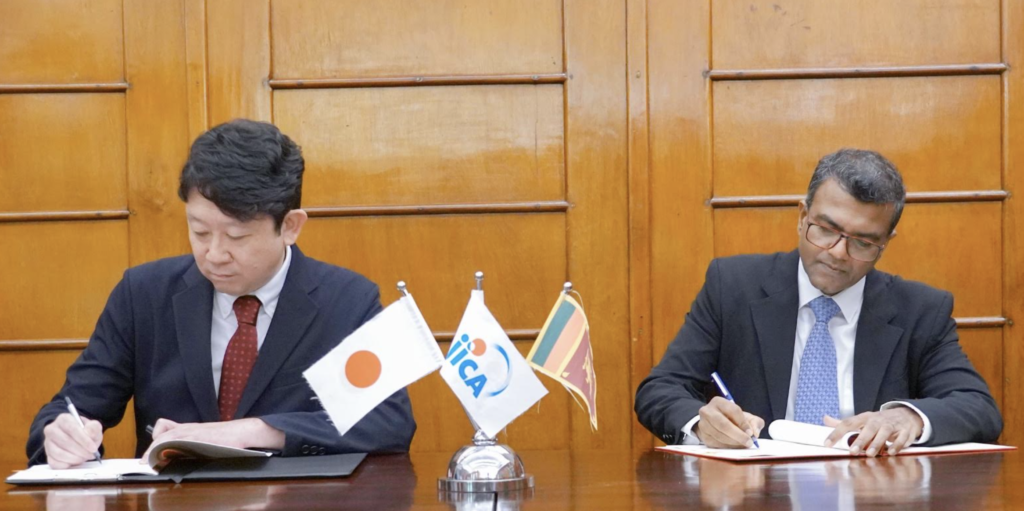
The project, running from 2026 to 2030, is being implemented through the Japan International Cooperation Agency (JICA) and the Japan Science and Technology Agency (JST) under the Science and Technology Research Partnership for Sustainable Development (SATREPS) programme. Its objectives include establishing a basin-wide monitoring network, developing a water-quality database, training technical personnel and strengthening environmental policy.
The first consignment of testing equipment was handed over to Environment Minister Dr. Dammika Patabendi at a steering committee meeting at the Central Environmental Authority (CEA) auditorium. The equipment was subsequently distributed among the CEA, the University of Moratuwa and General Sir John Kotelawala Defence University.
However, the intervention also raises questions about why a river of such national importance requires another major international initiative to strengthen its protection.
Extending approximately 145 kilometres and draining a basin of around 2,300 square kilometres, the Kelani River serves nearly one-fourth of Sri Lanka’s population. Fourteen major water treatment and distribution facilities depend on it to supply Colombo and surrounding communities. Any deterioration in its quality therefore carries potentially serious public-health, economic and environmental consequences.
The basin contains more than 5,400 industries, including authorised operations in the Biyagama and Seethawaka industrial zones. Industrial effluent, untreated sewage, agricultural waste, sand mining and gem mining have been identified as pollution pressures. Floods and droughts further complicate water management, potentially increasing contamination risks and disrupting reliable supplies.
The central investigative issue is whether existing environmental safeguards are preventing pollution or merely responding after contamination occurs. Sophisticated testing equipment can identify harmful substances, but it cannot independently stop illegal discharges, compel industries to treat wastewater or ensure that regulatory violations attract appropriate penalties.
The project announcement does not quantify pollution levels, identify individual offenders or establish the extent of regulatory shortcomings. These matters require independently verifiable evidence, regular inspections and transparent reporting rather than assumptions about institutional failure.
Groundwater protection also demands attention. With households across the Western Province relying on groundwater, the absence of clearly identified groundwater-quality standards in the project announcement raises questions about the coverage of existing safeguards. Authorities should clarify applicable standards, testing requirements and arrangements for publishing results.
The University of Moratuwa’s Aquatic Environment Data Operations Centre is expected to play a central role. Environment Ministry Secretary K.R. Uduwawala chairs the steering committee, while Tohoku University Professor So Kasama serves as principal investigator. The Department of Irrigation, Water Resources Board and Clean Sri Lanka Secretariat are also participating.
The ultimate test will be measurable results, not equipment deliveries or research reports. The Government should publish baseline pollution levels, annual reduction targets, industrial compliance records and details of enforcement action. Water-quality information should also be accessible to the public.
Japan’s assistance offers Sri Lanka an opportunity to strengthen environmental governance. But responsibility for protecting the Kelani River remains with domestic authorities. By 2030, citizens must be able to determine whether the investment has delivered cleaner water, stronger enforcement and improved public-health protection or merely another expensive monitoring exercise without demonstrable results.
The post Japan’s Rs. 600 Million River Project Faces Sri Lanka’s Pollution Accountability Test appeared first on LNW Lanka News Web.
