
Is Anwar Ibrahim’s ‘zero tolerance to terrorism’ real?
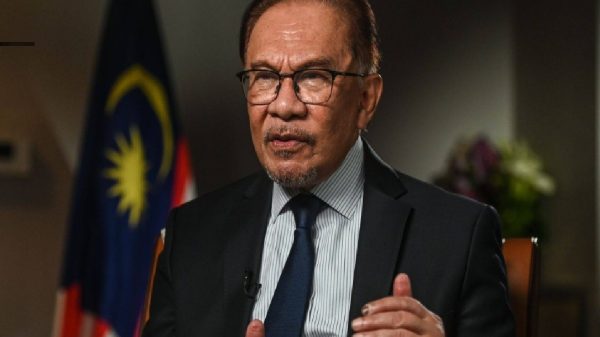
In a significant development, during their recent meeting in Kuala Lumpur, India’s Prime Minister Narendra Modi’s and his Malaysian counterpart Anwar Ibrahim agreed to strengthen their cooperation in defence, trade, digital economy, and energy. The two leaders renewed pledges to bolster trade and explore potential collaborations in semiconductors, defence and other fields. They also witnessed the exchange of 11 cooperation agreements, including on semiconductors, disaster management and peacekeeping.
The Modi’s Kuala Lumpur dialogue is likely to reverse the set-back India and Malaysia had received in their ties in recent years. Former Malaysian Prime Minister Mahathir Mohamad had opposed the Modi government’s historic revocation of Kashmir’s Special Status in India and passage of the Citizenship Amendment Act in the country.
Significantly, ever since Ibrahim assumed the office of Prime Minister in Malaysia, relations between New Delhi and Kuala Lumpur have already been improving. In August 2024, India and Malaysia elevated their bilateral relationship to a Comprehensive Strategic Partnership. Today both Modi and Ibrahim emphasize the importance of existing trade agreements—the Malaysia-India Comprehensive Economic Cooperation Agreement and the ASEAN-India Trade in Goods Agreement.
One, however, finds it hard to take the Ibrahim government seriously on the commitment it has made to New Delhi on implementing” zero tolerance to terrorism.” It looks hardly real. New Delhi could better take it with a pinch of salt and remain ever vigilant. It is no secret what all the notorious anti-pluralist, Konkani millionaire preacher Zakir Naik, had been doing to promote feelings of enmity, hatred or ill-will between different religious communities in India before he fled to Malaysia. In January 2018, New Delhi sent the extradition request in this regard to the Ministry of Foreign Affairs, Government of Malaysia. But Kuala Lumpur has so far taken little action in the matter.
Apprehensions go that Kuala Lumpur may prefer to duck the Nair question in the future too. The preacher is very popular among the Sunni Muslims—both of the ethnic Malay and Indian diaspora varieties. The Ibrahim government cannot afford to sideline their wishes. Electorally, they matter most in the country’s politics. Ethnic Malay Muslims account for over 63.5% of the population in Malaysia. Muslims of the Indian diaspora number around 313,000. They are very influential in the country. Often referred to as Tamil Muslims or Mamak, their influence on Malaysian cuisine is profound.
History of contemporary Malaysia bears testimony to the fact that ethno-religious populism is the order of politics in the country today. Almost all its political leaders today play this brand of populism up to secure support from the Muslim majority. Prime Minister Ibrahim is often viewed as liberal. But he, too, indulges in this game to solicit the support of the majority in the country. Currently, he is using Islam-focused rhetoric on the Palestine-Gaza issue. During India’s Pahalgam terror attacks, he called for a “full and thorough enquiry” and “meaningful dialogue” between New Delhi and Islamabad.
Jagdish N Singh is a senior journalist based in New Delhi, India. He is also a Distinguished Senior Fellow at the Gatestone Institute
