
US-Iran War Timeline: From Opening Strikes to Khamenei’s Killing and Ceasefire | Key Events
International
oi-Madhuri Adnal

The Iran war has shaken West Asia for more than a month, drawing multiple countries into clashes across land, sea and air. The conflict has disrupted global oil flows, triggered flight cancellations, and raised fears of a wider regional crisis. A fragile two-week ceasefire is now in place, but underlying tensions-ranging from leadership upheavals to attacks on shipping-continue to shape an uneasy pause.
The latest truce followed heavy US strikes on Iranian infrastructure on April 7, coupled with a sharp warning from US President Donald Trump over the Strait of Hormuz. Within hours, a Pakistan-led diplomatic effort pushed Washington and Tehran to halt hostilities, though both sides remain divided over control of the strategically critical waterway.
Following US-Israeli strikes on Feb 28 that killed Supreme Leader Khamenei, the Iran war in West Asia disrupted global oil flows and began with civilian casualties. A Pakistan-brokered April 7 ceasefire paused fighting, but disputes persist over the Strait of Hormuz and regional stability.
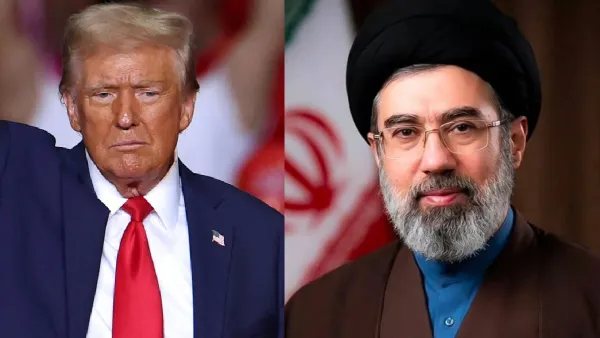
Ceasefire Holds, But Strait of Hormuz Dispute Persists
Amid rising fears of escalation, Pakistan proposed a two-week ceasefire, urging restraint from both sides. With just 90 minutes left before a US-imposed deadline, Trump announced a "double-sided ceasefire," stating that American forces would halt strikes if Iran reopened the Strait of Hormuz.
Iran agreed to the pause but rejected key conditions, particularly any suggestion of US control over the strait. The warning came after Trump's stark April 7 statement that "a whole civilization" could be at risk if Iran continued blocking the vital oil route.
Even before the ceasefire, US and Israeli forces had targeted Iran's transport and logistics networks, claiming they were being used for military operations.
How the Iran War Began
The roots of the conflict lie in stalled nuclear negotiations. On February 18, indirect talks between Washington and Tehran showed early promise, with both sides agreeing on "guiding principles." However, progress quickly stalled, and military build-up in the region intensified.
The war effectively began on February 28, when coordinated US-Israeli strikes hit key command centres in Tehran and multiple military sites across Iran. Among those killed was Supreme Leader Ayatollah Ali Khamenei, along with senior figures linked to the Islamic Revolutionary Guard Corps.
The sudden loss of top leadership destabilised Iran's power structure within hours, marking a dramatic escalation.
Civilian Impact and Regional Fallout
The first day of the war also saw a devastating strike on a girls' school in southern Iran, killing more than 150 people, most of them children. Initial reports suggested the damage may have resulted from a nearby military target, raising concerns over collateral damage.
Iran responded swiftly, launching attacks on US and Israeli-linked assets across the Gulf. Shipping through the Strait of Hormuz was disrupted, affecting a key route for global oil supplies. Several Gulf nations shut their airspace, causing widespread flight disruptions worldwide.
On March 1, an Iranian drone strike in Kuwait killed six US soldiers-the first American combat deaths of the conflict.
Leadership Change
Following Khamenei's death, Iran moved quickly to consolidate power. On March 8, Mojtaba Khamenei was named the new Supreme Leader, a move rejected by the US.
Soon after, Iran intensified pressure on the Strait of Hormuz, targeting commercial vessels. By March 11, multiple ships had been attacked, including a Thailand-bound cargo vessel headed to India. The incidents pushed global oil prices higher.
In response, the US bombed Kharg Island-Iran's main oil export hub-on March 13, describing it as a strike on military-linked infrastructure.
Energy Targets and Expanding Conflict
By mid-March, the war widened further. Israeli strikes killed senior Iranian leaders including Ali Larijani and Basij commander Gholamreza Soleimani. Energy infrastructure became a major target, with attacks on Iran's South Pars gas field.
Iran retaliated by striking Qatar's Ras Laffan industrial zone, a key hub for global gas exports.
The conflict soon spread beyond West Asia. Iran-backed Houthi rebels launched a missile towards Israel, while an Iranian naval vessel sank near Sri Lanka under unclear circumstances, triggering a rescue operation.
Failed Talks and Intensifying Air War
On March 23, Trump announced ongoing talks with Iran and a temporary pause in US strikes on energy facilities. However, missile exchanges and shelling continued, highlighting the gap between diplomacy and ground realities.
In early April, the conflict entered a more dangerous phase when Iran shot down a US F-15E fighter jet-the first such loss for American forces in the war. Reports indicated damage to several other aircraft, while a rescue mission was launched to recover a downed pilot.
Iran-US War Timeline
February 18: US-Iran talks begin but fail to reach a deal
February 28: US-Israel strikes kill top Iranian leadership
March 1: Iranian drone kills six US soldiers in Kuwait
March 8: Mojtaba Khamenei becomes Supreme Leader
March 11-13: Strait of Hormuz attacks; US hits Kharg Island
Mid-March: Energy infrastructure targeted on both sides
Late March: Houthi missile launch; naval incident near Sri Lanka
March 23: Talks announced; temporary pause in strikes
Early April: Iran downs US fighter jet
April 7-8: US warning followed by Pakistan-brokered ceasefire

While the two-week ceasefire has paused active fighting, the Iran war remains far from resolved. Key disputes-especially over the Strait of Hormuz, leadership legitimacy, and regional security-continue to fuel tensions.
With global oil markets, trade routes, and air travel still vulnerable, the coming weeks will be crucial in determining whether the ceasefire leads to lasting diplomacy or another round of escalation.
