Pakistan’s Overnight Diplomacy is Real, But Washington Has Long Memories, Beijing Has Longer Ones
International
oi-Pankaj Mishra

Yes, Islamabad's role in brokering the Iran-US-Israel ceasefire is a genuine diplomatic moment. Field Marshal Munir's shuttle calls deserve acknowledgement. But before the narrative of Pakistan as indispensable peacemaker hardens into conventional wisdom, a few inconvenient truths deserve equal attention.
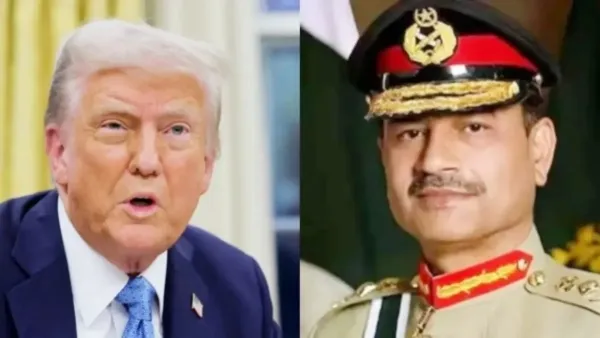
Pakistan’s brokering of an Iran-US-Israel ceasefire is acknowledged, but the article highlights lasting US distrust due to the Osama bin Laden incident, China's high costs from CPEC project attacks, and recent Iran-Pakistan border strikes, questioning Pakistan's reliability for regional stability.
The Osama Problem Never Left the Room
The United States has not forgotten, and likely never will, that global terrorist Osama bin Laden was found living comfortably in Abbottabad, a stone's throw from Pakistan's premier military academy. That single fact permanently colours every American handshake with Islamabad. When Washington "leverages" Pakistan diplomatically, it does so with one eye on the exit. The relationship has always been transactional, not trustful. Munir's phone diplomacy may earn Pakistan a moment of goodwill in the Trump White House, but American strategic distrust of Pakistan's military-intelligence complex is structural, not seasonal. One ceasefire call does not retire two decades of double-game accusations.
China Is Paying a Steep Price for Pakistan's Friendship
The narrative that Pakistan "leveraged its ties with China" to bring Iran to the table sounds impressive, until you examine what those ties actually cost Beijing. The China-Pakistan Economic Corridor- CPEC, once heralded as the crown jewel of the Belt and Road Initiative, is bleeding. Baloch separatists and local Pakistan terrorist groups have repeatedly targeted Chinese engineers, workers and nationals at Gwadar and other port infrastructure projects. Attacks on Chinese nationals in Pakistan have become grimly routine. Beijing keeps writing cheques, but it is doing so while absorbing real casualties and project delays. If China is Pakistan's diplomatic trump card, it is one that China itself is increasingly ambivalent about playing. A partner that cannot protect your workers is not an uncomplicated asset.
The Iran-Pakistan Border: A Complicated Foundation for Mediation
Pakistan presenting itself as Iran's trusted interlocutor also requires some historical footnoting. Just last year, the two countries exchanged cross-border strikes, an extraordinarily rare military escalation between nominal neighbours and occasional partners. Iran hit targets inside Pakistani Balochistan; Pakistan responded. Diplomatic relations were briefly downgraded. That the two sides returned to functional relations quickly is a testament to pragmatism on both sides, but it also exposes the fragility of the Pakistan-Iran axis. Munir mediating for Tehran carries a quiet irony: he is representing the interests of a country that Pakistani missiles were pointed at not long ago. Washington and Tel Aviv will note the transactional nature of this friendship.
The Deeper Strategic Picture
Pakistan's diplomatic activism here may ultimately serve its own acute needs more than anyone else's. A country facing IMF dependency, internal insurgencies, a fractured political landscape and a military leadership under international scrutiny badly needs a reputational win. The ceasefire delivers one. That is understandable, but it is not the same as Pakistan becoming a durable, reliable pillar of regional stability.
The United States should absolutely acknowledge Islamabad's role. Pragmatism demands it. But recalibrating the entire relationship on the basis of one night of phone diplomacy would be strategically naive. Pakistan remains a country where the military sets foreign policy independent of civilian oversight, where militant networks have historically been managed rather than dismantled, and where Chinese and American interests now compete on the same soil.
Pakistan had a good night. That is worth something. In the same breath, it is not worth everything.
-

Gold Rate Today 6 April 2026: IBJA Benchmark Gold Rates, Tanishq, Kalyan, Malabar, Joyalukkas Retail Prices
-
Tamil Nadu Election Prediction: AIADMK Set to Emerge as Winner, Says Pre-Poll Survey
-

Gold Silver Rate Today, 7 April 2026: City-Wise Prices, MCX Gold Down, Silver Steady Across Key Indian Cities
-
West Bengal Pre-Poll Survey: Opinion Poll Predicts Edge for TMC but big Rise In BJP's Vote Share
-

Gold Rate Today in Bangalore 6 April 2026: Latest IBJA Gold Rates, 22K Gold Prices at Jos Alukkas, GRT, Bhima,
-

Gold Silver Rate Today, 6 April 2026: City-Wise Prices, MCX Gold Steady, Silver Slips in Key Markets
-

Gold Rate Today 7 April 2026: Updated IBJA Gold Rates, 22K Prices At Tanishq, Kalyan, Malabar, Joyalukkas
-
Donald Trump's Address On Iran War: Trump Threatens To Wipe Out Iran In One Day, Briefs On Rescue Operation
-

Mumbai Metro Line 9 Phase 1 Opens April 7 After 10-Years, Mira Road-Bhayandar Now Directly Connected To City
-
School Assembly News Headlines Today April 07: Top National, International, Sports, Business News
-

Arshdeep Singh Girlfriend Revealed? Fans Spot Clues In Hand-Holding Snap, Link To Samreen Kaur
-
IPL RR vs MI Rain Update: Showers Disrupt Rajasthan Royals vs Mumbai Indians Match in Guwahati