
India, Sri Lanka advance talks on strategic oil pipeline and energy hub
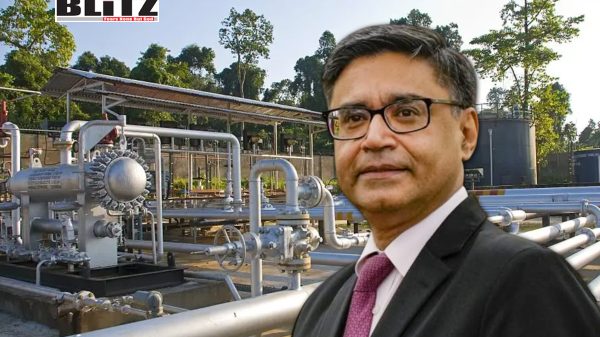
India and Sri Lanka have renewed momentum in their bilateral engagement with high-level discussions centered on a proposed cross-border oil pipeline and the development of a major energy hub in Trincomalee. The talks, held on Sunday, underscore a deepening strategic and economic partnership between the two South Asian neighbors at a time of heightened global energy uncertainty.
The meeting brought together Indian Vice President C. P. Radhakrishnan and Sri Lankan President Anura Kumara Dissanayake, marking a significant diplomatic moment as it represents the first-ever visit by an Indian vice president to Sri Lanka. The discussions covered a broad spectrum of bilateral issues, with particular emphasis on energy cooperation, infrastructure development, and regional stability.
According to Vikram Misri, the talks included ongoing initiatives as well as long-term proposals, notably the plan to establish an oil pipeline linking India and Sri Lanka. The pipeline project is seen as a cornerstone of a broader trilateral collaboration that also involves the United Arab Emirates, reflecting a growing convergence of interests among key regional and Gulf players.
Misri highlighted that discussions on the pipeline have been underway since 2023 and gained formal traction in April 2025, when the three countries signed a pact to move forward with the initiative. The agreement also includes plans to develop the strategically located Trincomalee oil storage complex into a full-fledged energy hub, leveraging its geographic advantage along major Indian Ocean shipping routes.
“The project related to the energy hub in Trincomalee and the proposal to link India and Sri Lanka through an oil pipeline are among the most notable initiatives under discussion,” Misri stated. He emphasized that such cooperation comes at a critical time when the global economy continues to grapple with the ripple effects of an ongoing energy crisis.
The Trincomalee project holds particular strategic value. Located on Sri Lanka’s northeastern coast, the region has long been recognized for its deep-water harbor and existing oil tank farm infrastructure, originally developed during the colonial era. The planned upgrades and integration with a cross-border pipeline could transform Trincomalee into a key energy transit and storage node in South Asia, potentially reducing logistical costs and enhancing supply chain resilience for both countries.
For India, the project aligns with its broader regional strategy of strengthening connectivity and energy security while counterbalancing external influences in the Indian Ocean region. For Sri Lanka, it represents a vital opportunity to attract foreign investment, modernize infrastructure, and stabilize its energy sector following years of economic turbulence.
President Dissanayake acknowledged India’s critical support during Sri Lanka’s economic crisis in 2022, when New Delhi provided emergency financial assistance, fuel supplies, and humanitarian aid. He also referenced India’s role as a “first responder” during natural disasters, including the aftermath of Cyclone Ditwah last year. This history of support has reinforced trust between the two nations and laid the groundwork for deeper economic integration.
Vice President Radhakrishnan’s visit also included discussions on the implementation of ongoing Indian-funded projects in Sri Lanka, particularly those related to housing, infrastructure, and disaster recovery. A key highlight was the $450 million assistance package extended by India for post-cyclone rehabilitation, which remains a significant component of bilateral cooperation.
Beyond energy and infrastructure, the talks touched on sensitive issues such as the fishing industry, which has historically been a source of tension between the two countries. Both sides reiterated the importance of dialogue and sustainable practices to address concerns over illegal fishing and maritime resource management in shared waters.
Additionally, progress on the proposed Economic and Technology Cooperation Agreement (ETCA) was reviewed. The agreement aims to enhance trade, investment, and technological collaboration between India and Sri Lanka, although it has faced domestic scrutiny in Sri Lanka over concerns about economic sovereignty and labor market impacts.
Another area of discussion was the digital identity (ID) project being supported by India in Sri Lanka. The initiative is expected to streamline public services, improve governance, and enhance financial inclusion by providing citizens with secure and verifiable digital identities.
Sri Lanka’s Foreign Ministry indicated that several memoranda of understanding (MoUs) are expected to be signed during the course of Radhakrishnan’s visit, further institutionalizing cooperation across multiple sectors. While details of these agreements have yet to be fully disclosed, they are likely to cover areas such as energy, technology, and development assistance.
The involvement of the United Arab Emirates adds another layer of strategic significance to the oil pipeline and energy hub project. As a major global energy player, the UAE brings both financial resources and technical expertise, potentially accelerating the project’s implementation and ensuring its commercial viability.
From a geopolitical perspective, the trilateral initiative reflects a broader trend of regional partnerships aimed at enhancing energy security and reducing dependence on volatile global supply chains. It also signals a shift toward more integrated infrastructure networks in South Asia, which have historically lagged behind other regions.
However, challenges remain. Large-scale infrastructure projects of this nature often face hurdles related to financing, environmental concerns, and regulatory alignment. Ensuring transparency, sustainability, and equitable benefits for all stakeholders will be crucial to the project’s long-term success.
Despite these challenges, the renewed commitment demonstrated during Sunday’s talks suggests that both India and Sri Lanka are keen to move forward. The oil pipeline and Trincomalee energy hub could become transformative projects, reshaping the energy landscape of the region and strengthening bilateral ties.
As global energy dynamics continue to evolve, initiatives like this underscore the importance of regional cooperation and strategic foresight. For India and Sri Lanka, the proposed pipeline is not merely an infrastructure project=it is a symbol of a deepening partnership built on shared interests, mutual support, and a common vision for the future.
Sonjib Chandra Das is a Staff Correspondent of Blitz.
