
India’s Tamil Nadu state rolls out Integrated Textile Policy 2025–26
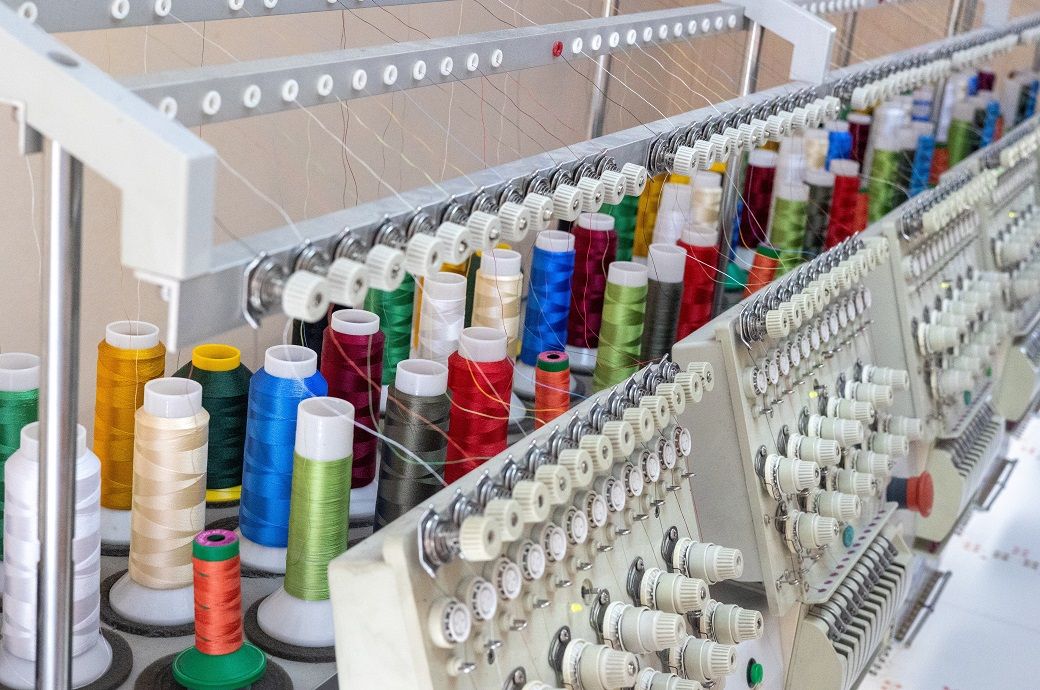
The policy adopts a phased vision. In the short term, it focuses on modernisation, skill development, improved access to raw materials, and faster adoption of ESG and global compliance standards. Over the medium term, the state aims to build ‘Brand Tamil Nadu’ through dedicated textile clusters, while the long-term goal is to establish Tamil Nadu as a global hub for value-added and integrated textile products.
Over the next five years, the government expects significant capacity upgrades across the value chain, including modernisation of 19 lakh spindles and 8 lakh rotors, installation of 1,000 modern rapier looms with electronic jacquard and 3,000 shuttleless looms, and establishment of new dyeing, printing, and finishing units supported by integrated effluent treatment plants. The plan also includes support for technical textile start-ups, CAD/CAM adoption, non-conventional fibre manufacturing, and R&D projects in man-made fibre (MMF) and technical textiles.
A comprehensive fiscal support framework underpins the policy. Spinning units will receive interest subvention for replacing ageing capacity, while handloom and powerloom sectors benefit from capital subsidies, free electricity, working capital support, and cluster-based infrastructure such as common facility centres. Processing units are eligible for capital support for both new facilities and modernisation, while garmenting units are encouraged to adopt advanced cutting technologies through capital subsidies.
Sustainability and compliance form a central pillar of the policy. The government will support resource-efficiency audits, conservation investments, and provide guidance through a state-level compendium of global compliance and certification requirements. Market development measures include Tamil Nadu pavilions at international fairs, reimbursement of participation costs, and the launch of an annual international textile exhibition within the state.
To promote balanced regional growth, units located in ‘C’ category districts will receive an additional ten per cent special subsidy. The policy also introduces the Tamil Nadu Technical Textiles Mission with a dedicated budget, professional support unit, consultancy reimbursement, and a substantial research and business development fund.
Institutional mechanisms such as a Textile Trade Facilitation Centre, a Technical Advisory Committee, exporter excellence awards, and strengthened skill development partnerships aim to improve ease of doing business. The state reiterated its commitment to single-window clearances, direct benefit transfer of incentives, and full support for foreign direct investment under the automatic route for textiles.
Click here to read the Key Highlights of Tamil Nadu New Integrated Textile Policy 2025–26
Fibre2Fashion News Desk (RKS)
