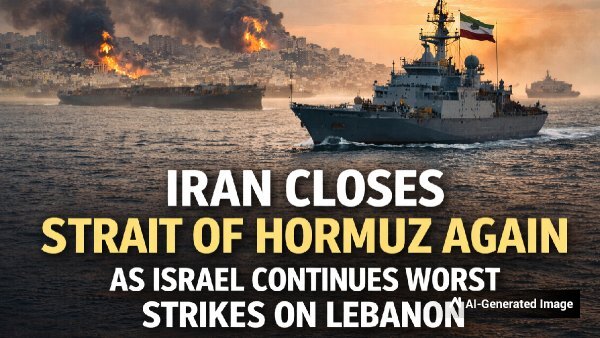
Iran Closes Strait of Hormuz After Israel’s Largest Lebanon Strikes
International
oi-Gaurav Sharma

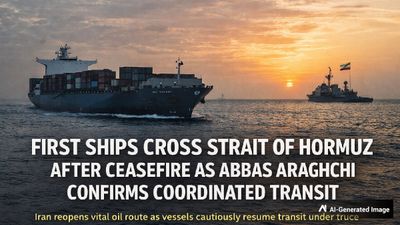
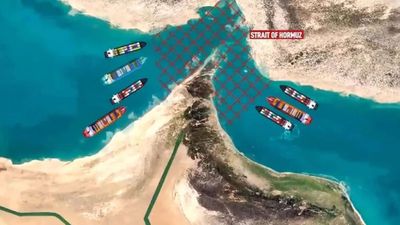
Iran has again shut the Strait of Hormuz to most oil tankers after new Israeli strikes on Lebanon, raising fresh doubts over the fragile ceasefire that United States President Donald Trump announced with Iran and heightening concern among countries that depend on this key waterway for energy shipments.
Iranian state media reports say authorities have stopped oil tankers from crossing the Strait of Hormuz following the latest Israeli attacks, despite an earlier understanding reached through US-Iran talks. Only two tankers were recently allowed through, after Iran granted permission under the ceasefire terms accepted by Trump, while several nations voiced concern about sailing through the route.
Iran closed the Strait of Hormuz to most oil tankers following Israeli strikes on Lebanon, complicating the US-Iran ceasefire announced by President Trump. Iran's 10-point plan proposed reopening the vital waterway for a fee in exchange for lifting sanctions and ending regional conflicts.
Strait of Hormuz closure linked to ceasefire dispute
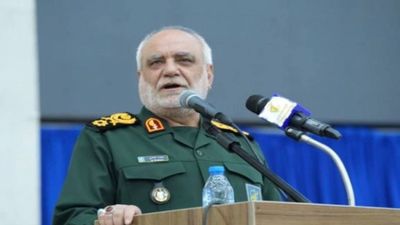
According to Iranian state media, officials warned that the Islamic Republic would walk away from the ceasefire if Israel kept striking Lebanon and said Iran would be "identifying targets to respond". The reports added that the Strait of Hormuz had been expected to reopen on the day after the ceasefire announcement or the following day, but renewed violence changed that calculation.
The closure now threatens to undermine the two-week pause in direct hostilities between the United States and Iran, announced after Trump agreed to Iran's conditions in principle. The Strait of Hormuz is one of the world's most important oil routes, and any long disruption could affect global markets as well as regional security calculations.
Strait of Hormuz tensions and Israeli military operations
Within hours of the ceasefire declaration involving Iran and the United States, Israel launched what officials described as the largest assault on Lebanon since the conflict with Hezbollah began. Israeli warplanes struck more than 100 locations in Beirut and across Lebanon without warning, flattening several buildings in central Beirut and leaving smoke hanging over streets filled with wreckage.
Images from Beirut showed entire streets heavily damaged, with fires burning in demolished buildings after the night-time raids. The strikes took place less than 12 hours after Iran's ceasefire announcement, further complicating efforts to stabilise the situation and deepening fears that violence in Lebanon could derail the broader agreement.
Strait of Hormuz tensions and Israel's stance on Lebanon
Following the wave of airstrikes, the office of Israeli prime minister Benjamin Netanyahu stated that the two-week pause in attacks linked to Trump's understanding with Iran did not "include Lebanon". After the raids, the head of Israel's military said that forces would "continue to strike with determination", signalling no immediate easing of operations there.
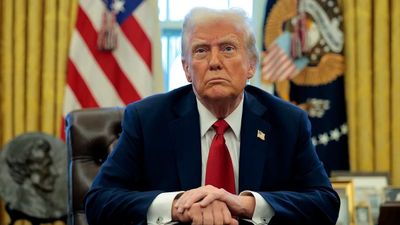
Trump had already warned that Iran risked more "destruction" if it failed to follow the conditions set out in the understanding. The renewed closure of the Strait of Hormuz therefore places further strain on the limited ceasefire window, with both the United States and Iran tying their next moves to how the situation develops in Lebanon.
Strait of Hormuz access at heart of Iran's 10-point plan
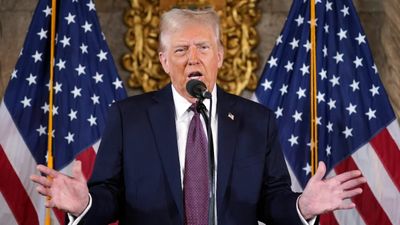
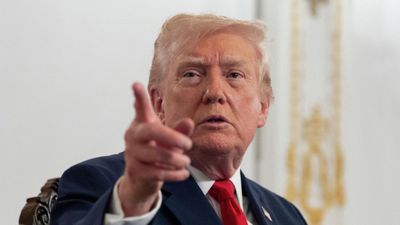
Trump wrote on Truth Social that he had decided against a planned assault and instead backed an "immediate ceasefire." Trump posted: "I agree to suspend the bombing and attack of Iran for a period of two weeks. This will be a double-sided CEASEFIRE!" The message laid the basis for talks around a 10-point proposal from Iran.
The US President further stated: "We received a 10-point proposal from Iran, and believe it is a workable basis on which to negotiate. Almost all of the various points of past contention have been agreed to between the United States and Iran, but a two week period will allow the Agreement to be finalized and consummated."
Iran's 10-point document sets out political, military and economic conditions. Tehran demands guarantees against future attacks, an end to the war rather than a temporary halt, a stop to Israeli strikes in Lebanon, lifting of all US sanctions and an end to regional fighting against groups backed by Iran.
Point Iran's demand or offer
- Guarantee that Iran will not be attacked again
- Permanent end to the war, not just a ceasefire
- End to Israeli strikes in Lebanon
- Lifting of all US sanctions on Iran
- End to all regional fighting against Iranian allies
- In return, Iran would open the Strait of Hormuz
- Iran would impose a Hormuz fee of $2 million per ship
- Iran would split these fees with Oman
- Iran to provide rules for safe passage through Hormuz
- Iran to use Hormuz fees for reconstruction instead of reparations
The economic elements of the plan centre on the Strait of Hormuz. Iran proposes reopening the waterway in exchange for a per-vessel charge of $2 million, around £1.1 million, on each ship. Under the proposal, Iran would share these revenues with Oman and use the funds for reconstruction projects, while also issuing formal rules for safe passage.
As Israel continues major strikes in Lebanon and Iran keeps the Strait of Hormuz largely closed, the future of the two-week ceasefire window remains uncertain. The combination of military escalation, strict conditions in Iran's 10-point plan and halted tanker traffic leaves regional powers and oil importers watching closely for any shift in positions.
-

1$ Per Oil Barrel: Iran Proposes Crypto Toll For Tankers As Ships Begin Crossing Strait of Hormuz
-
Trump Rules Out Uranium Enrichment In Iran, Says US Open To Tariff And Sanctions Relief
-
US Iran Nuclear Tension: White House Denies Nuclear Plans Amid Hormuz Crisis
-
‘Puts Your Life In Danger’: Israel Issues Chilling Farsi Warning To Iranians To Avoid Train Travel
-
Who Is Majid Khademi, Iran's Revolutionary Guards' Intel Chief, Killed By US?
-
Today Gold Rate In Chennai & Madurai: Prices Hit 3-Week High In Tamil Nadu
-
Iran Refuses To Reopen Strait Of Hormuz Under Temporary Ceasefire As US Tensions Rise
-
‘14 million Iranians Ready To Die’: Pezeshkian’s Strong Message Amid Trump Deadline
-
Crude Oil Price Today - April 8: Check Prices of Brent, WTI, Urals, ESPO, Murban, and More As Markets Crash
-
‘A Whole Civilization Will Die Tonight’: Trump Speaks Out As 48-Hour Ultimatum To Iran Nears End
-
Pakistan PM Shehbaz Sharif Urges Trump To Extend Iran Deadline As Warring Nations Agree For Ceasefire
-
Gold Rate Today Bangalore: April 8 IBJA Benchmark vs. 22k Gold Prices at Tanishq, GRT, Jos Alukkas