Iran’s New Hormuz Plan Targets Global Shipping with Tolls, What Does It Mean?
International
oi-Swastika Sruti

Tensions in West Asia are beginning to affect global trade routes, especially one of the world's most important waterways-the Strait of Hormuz.

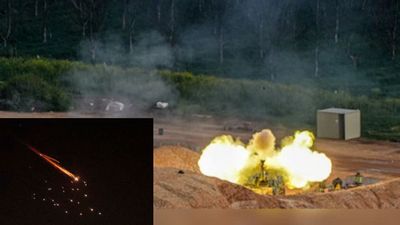
Iran's Parliament approved a Strait of Hormuz Management Plan introducing toll charges in rials and restricting ships linked to the US and Israel, leading to decreased traffic and rising oil prices, prompting US warnings.
Iran has now taken a major step by approving a new plan that could change how ships pass through this critical route.
The move has raised concerns worldwide, as it could impact oil supply, shipping costs, and international relations.
What Is Iran's New Strait of Hormuz Plan?
Iran's Parliament Security Committee has approved a new "Strait of Hormuz Management Plan," according to state media reports. This plan aims to increase Iran's control over the waterway and introduce new rules for ships passing through it.
One of the key features of the plan is the introduction of toll charges for vessels. These charges will be paid in Iranian currency (rial), adding a financial layer to maritime traffic in the region.
The plan also includes measures related to:
- Maritime security
- Ship safety
- Environmental protection
- Legal and financial regulations
Why the Strait of Hormuz Is So Important
The Strait of Hormuz is a narrow but extremely important sea route located between the Persian Gulf and the Gulf of Oman.
Around 20% of the world's oil and liquefied natural gas (LNG) passes through this route. Because of this, even small disruptions can affect global energy prices and supply chains.
Any restrictions or added costs in this region can quickly impact countries that depend on imported oil and gas.
Restrictions on Certain Countries and Ships
The new Iranian plan includes strict rules on which vessels can pass through the strait.
- Ships linked to the United States and Israel are banned
- Countries that support sanctions against Iran may also face restrictions
- Iran has also emphasised its authority over the region through its armed forces
In addition, Iran has mentioned cooperation with Oman to create a legal framework for managing the strait, suggesting a more structured control system in the future.
Sharp Drop in Ship Movement
Recent data shows that shipping activity in the Strait of Hormuz has dropped significantly.
A London-based tracking firm reported that only about 105 ships passed through the strait over a recent period, compared to nearly 1,900 ships during the same time last year.
This sharp decline shows how serious the disruption has become and how cautious shipping companies are in the current situation.
Oil Prices Rise as Supply Fears Grow
With fewer ships moving through the strait, global oil and gas prices have started to rise. Markets are reacting to the fear that supply could be limited if the situation continues.
Since many countries rely heavily on oil passing through this route, any blockage or restriction creates uncertainty and pushes prices higher.
US Responds with Strong Statements
The United States has reacted strongly to Iran's actions.
US Treasury Secretary Scott Bessent said that the US plans to ensure freedom of navigation in the Strait of Hormuz. He mentioned that this could involve American or multinational escorts for ships in the future.
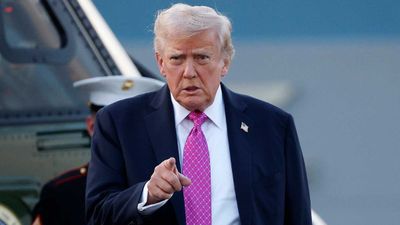
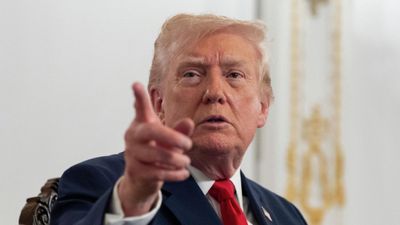
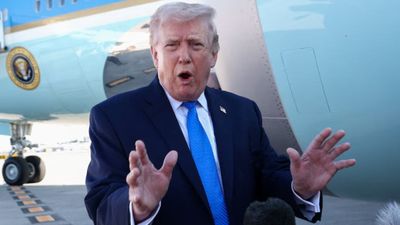
At the same time, US President Donald Trump issued a warning to Iran. He said that if the strait is not reopened soon, the US could target key Iranian infrastructure, including power plants, oil facilities, and Kharg Island.
A Growing Risk for Global Trade
The situation around the Strait of Hormuz is becoming a major concern for the global economy. With tensions rising and shipping already affected, the risk of further disruption remains high.
If the situation continues to escalate, it could lead to:
- Higher fuel prices worldwide
- Increased shipping costs
- Greater instability in global markets
-

Trump Hints At Breakthrough With Iran Amid War Escalation, Calls Recent Move A ‘Sign Of Respect’
-
Trump Says US In Talks With ‘More Reasonable’ Iran Regime, Warns Of Strikes If Deal Fails
-
Trump Says US Could Seize Iran’s Oil, Hints At Targeting Kharg Island Amid Escalating Middle East Conflict
-
Indian Worker Killed In Kuwait After Iranian Strike Hits Power Plant Amid Rising Gulf Tensions
-
Gold Silver Rate Today, 29 March 2026: City-Wise Prices, MCX Update On Gold, Silver Rates Across India
-
Gold Rate Today 29 March 2026: Latest IBJA Rates With Tanishq, Kalyan, Malabar, Joyalukkas Prices
-
Bengali Actor Rahul Arunoday Banerjee Dies At 43 After Reported Drowning In Digha
-
Who Is Rajat Dalal’s Wife? Bigg Boss 18 Fame Star Announces Wedding, Shares Dreamy Photos
-
Tamil Nadu Elections 2026: TVK Announces Candidate List; Vijay To Contest From Perambur And Trichy East
-
Hyderabad Gold Silver Rate Today, 29 March 2026: Gold And Silver Continue Upward Trend After Recent Dip
-
Hyderabad Weather Alert: Intense Thunderstorms, Hail And Lightning Likely On March 30-31
-
Bihar Board 10th Result 2026: Where and How to Check BSEB Matric Scorecard