US Announces Fresh Sanctions To Curb Iran’s Oil Exports Moments After Concluding Nuclear Talks In Oman
The United States expands sanctions on Iran's oil trade and shadow fleet while indirect talks in Muscat between Iran and the US proceed, signalling a cautious approach to nuclear diplomacy and regional security concerns.
International
-Swastika Sruti

The United States has unveiled fresh sanctions on Iran’s oil and petrochemical trade, even as indirect talks between Tehran and Washington in Oman show cautious diplomatic movement.
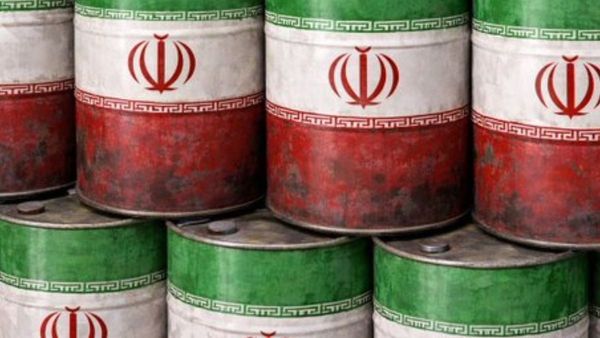
The new restrictions focus on Iran’s so‑called shadow fleet and aim to restrict funds that, according to US officials, support domestic crackdowns and regional operations viewed as destabilising.
The United States imposed new sanctions on 15 Iranian entities and 14 vessels for their involvement in Iran's shadow fleet, while indirect talks between Tehran and Washington, hosted by Oman, continue despite rising tensions and military actions in the region.
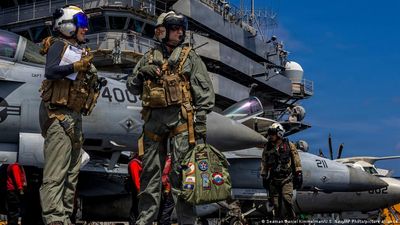
The announcement arrives after a recent pattern of US actions at sea and in the air. US forces have shot down an Iranian drone near the aircraft carrier USS Abraham Lincoln, while Iran has tried to block a US‑flagged commercial ship in the Strait of Hormuz.
These incidents underline how tense the situation remains despite renewed dialogue.
US sanctions on Iran oil trade and shadow fleet targets
The latest package, released by the US State Department, lists sanctions on 15 entities and 14 vessels tied to Iran’s shadow fleet, which is accused of shifting petroleum, refined products and petrochemicals in violation of global curbs. The Treasury Department has said this fleet helps finance the Iranian government’s security apparatus, including domestic repression and activities across the region.
State Department spokesperson Tommy Pigott linked the move to the Trump administration’s broader strategy towards Tehran. Pigott said the steps form part of a renewed pressure drive directed at Iranian energy exports. "President Donald Trump is committed to driving down the Iranian regime's illicit oil and petrochemical exports under the administration's maximum pressure campaign," Pigott said.
US sanctions on Iran oil trade and political messaging
US officials say the objective is to weaken Iran’s ability to fund security forces at home and to support groups and partners abroad. Pigott accused Tehran of focusing on regional influence instead of internal needs. "Instead of investing in the welfare of its own people and crumbling infrastructure, the Iranian regime continues to fund destabilizing activities around the world and step up its repression inside Iran," he said.
Pigott warned that US measures would continue if Iran keeps using oil and petrochemical sales to support such policies. "So long as Iranian regime attempts to evade sanctions and generate oil and petrochemical revenues to fund such oppressive behavior and support terrorist activities and proxies, the United States will act to hold both the Iranian regime and its partners accountable." The latest sanctions also follow action last month against ships accused of transporting oil worth hundreds of millions of dollars.
US sanctions on Iran oil trade alongside Oman nuclear talks
The sanctions decision came only hours after Iranian and US teams ended a day of indirect talks in Muscat, hosted by Oman. Tehran described the meetings as constructive, suggesting there was space to keep discussing Iran’s nuclear programme despite the sanctions push. Both capitals are expected to review the talks before deciding next steps.
Iran’s foreign minister Abbas Araghchi characterised the discussions in careful but hopeful language and called them "a good start." "If we can go along with this positive path, I can say that we can reach a positive framework regarding the nuclear talks between Iran and the US," Araghchi told reporters. Araghchi said both sides accepted that more consultations in their own capitals were necessary.
Araghchi stressed that Iranian priorities had been set out clearly during the exchanges in Muscat. "Our concerns were conveyed, as well as our interests and the rights that the Iranian people have. It was conveyed in a very good atmosphere, and the views of the other side were also heard," he added. Tehran wants the agenda focused mainly on nuclear issues, while US officials are signalling interest in wider topics.
US sanctions on Iran oil trade, military strikes and negotiation scope
The Muscat talks are the first formal diplomatic engagement reported since the United States joined Israel’s military action against Iran in June. During those operations, US strikes damaged Iranian nuclear facilities. Israel also attacked Iran’s air defence systems and ballistic missile infrastructure, adding to tensions already heightened by sanctions and maritime incidents.
Following those June strikes, Washington has strengthened its presence in the region. The US has deployed more warships, additional fighter aircraft and the carrier USS Abraham Lincoln to Gulf waters. At the same time, US officials say they want future negotiations to address Iran’s missile capabilities and regional influence. Tehran has insisted any talks should stay limited to the nuclear file.
US Secretary of State Marco Rubio has acknowledged the challenge facing negotiators, pointing to deep mistrust on both sides. "I'm not sure you can reach a deal with these guys, but we're going to try to find out." That assessment reflects uncertainty in Washington about whether sanctions pressure and indirect dialogue can deliver an agreement that satisfies both capitals.
| Measure / Event | Details |
|---|---|
| New sanctions | 15 entities and 14 vessels tied to Iran's shadow fleet |
| Previous sanctions | Vessels moving oil worth hundreds of millions of dollars |
| June military action | US strikes damaged Iranian nuclear facilities; Israel hit air defence and missile sites |
| US deployments | Additional warships, fighter jets and USS Abraham Lincoln sent to region |
As the United States adds pressure through sanctions on Iran’s oil and petrochemical trade, indirect diplomacy in Oman continues in parallel. The combination of tighter economic measures, recent military deployments and cautious comments from both Pigott and Araghchi shows that talks are moving forward under strain, with each side testing whether negotiations can reduce the current risk of escalation.
-

US, Iran To Hold Talks In Oman On Friday
-
Trump and Xi Discuss Iran Situation Amid US Push for Isolation of Tehran
-
US Warning To Citizens To Leave Iran Resurfaces As Nuclear Talks Set To Begin In Oman
-
Hyderabad High-Speed Bullet Train Corridors Linking Major Cities Announced, Kavach Centre Announced
-
Kannada Film 'Fire Fly' Earns Warm Applause at Bengaluru International Film Festival
-
Mumbai-Pune Expressway Traffic Jam Update: Chaos Continue As Commuters Take Alternative Routes; Buses Canceled
-
Bengaluru–Chennai Bullet Train Project Moves to Next Planning Stage With Route Finalisation
-
Bengaluru Gold Silver Rate Today, February 4, 2026: Gold Prices Rise, Silver Record High
-
Hyderabad Gold Silver Rate Today, February 4, 2026: Gold Edges Up, Silver Holds Firm; Check Latest Prices
-
Gold Silver Rate Today, February 5, 2026: City-Wise Gold Recovers Losses As Two-Tier Silver Market Emerges
-
NH-44 Cave-In Near Attibele Causes Long Delays for Commuters, Bengaluru–Hosur Traffic Disrupted
-
With Love Movie Review: What's Good, What's Bad In Tamil Film?