
“Rs. 33,600 Million Allocated for School Meals Program in 2026” – Prime Minister Dr. Harini Amarasuriya
The government aims to transform the national school nutrition initiative into a broader framework that boosts local health and the national economy.
The government has allocated LKR 33,600 million for the School Meals Program in 2026, aiming to transform it into a comprehensive national initiative that strengthens public health and boosts the local economy, stated Prime Minister and Minister of Education, Higher Education, and Vocational Education, Dr. Harini Amarasuriya.
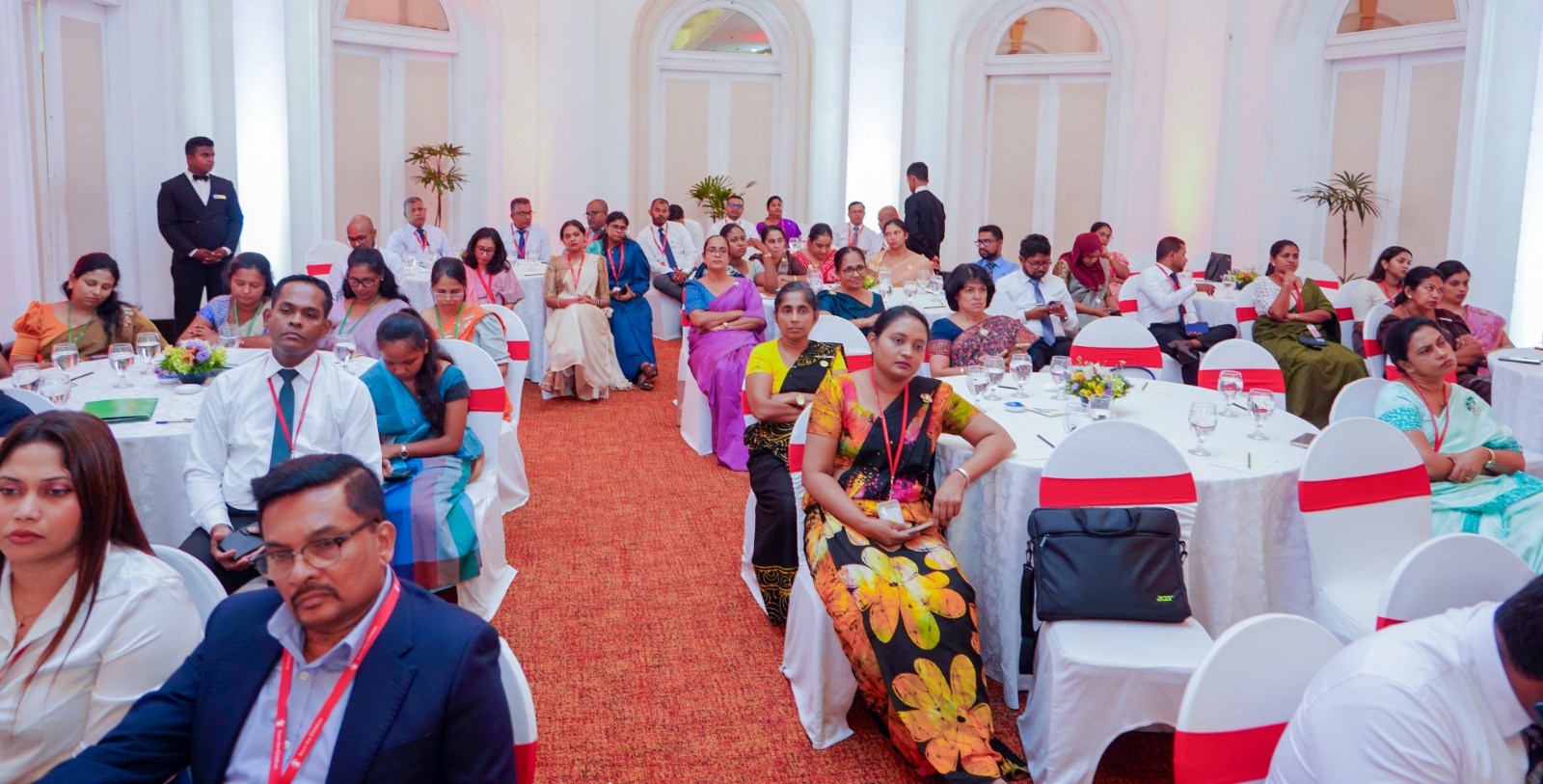
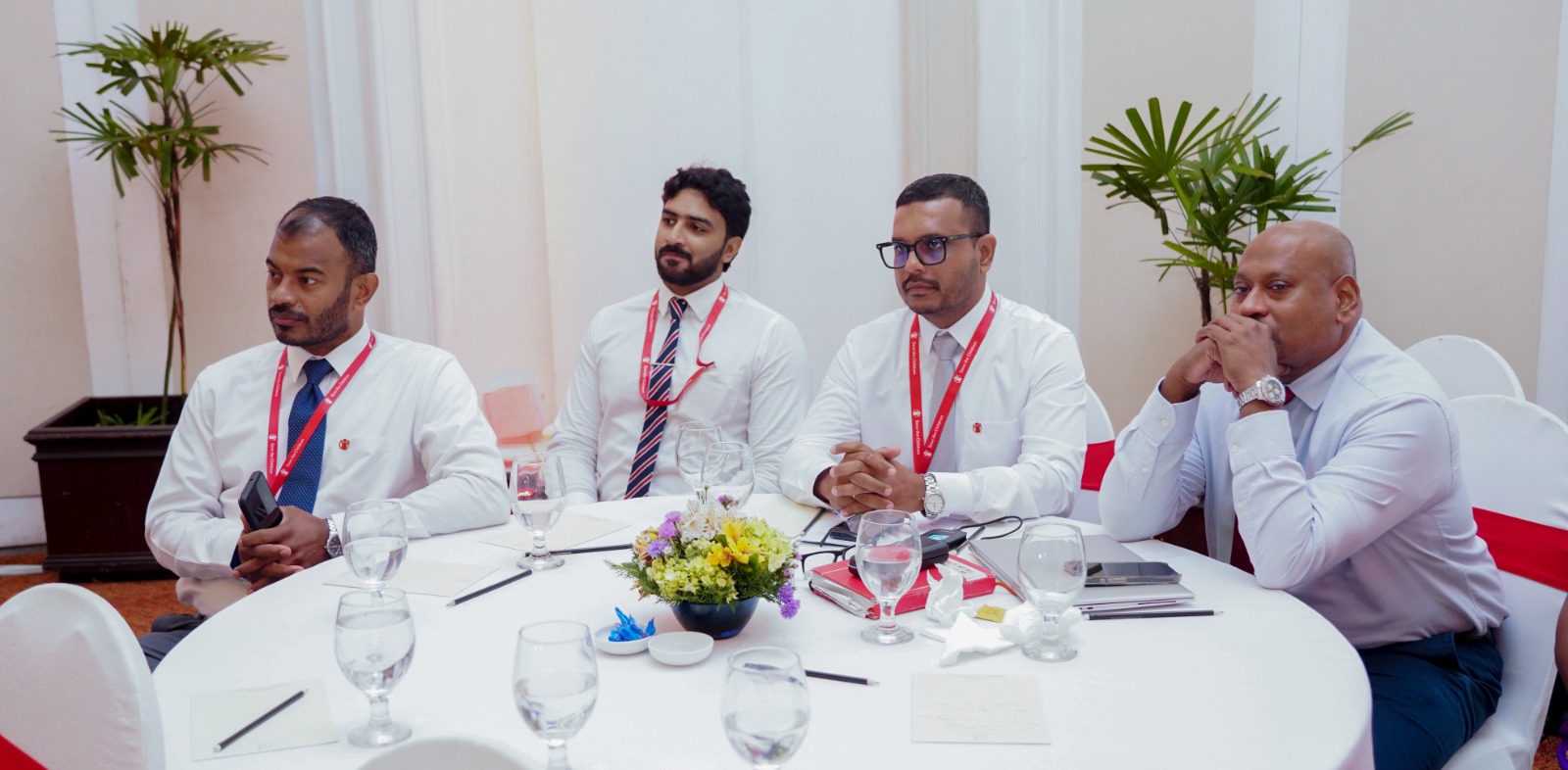
She made these remarks yesterday (02) while participating as the Chief Guest at the “National School Nutrition Summit 2026” held at the Taj Samudra Hotel in Colombo.
Implemented by the Ministry of Education, Higher Education, and Vocational Education, the school meal program has expanded into a national-scale initiative covering 1.5 million students across 8,990 schools by 2026. The summit—organized in collaboration with various stakeholders including Save the Children—serves as the first-ever National School Nutrition Summit held in Sri Lanka, focusing on program expansion, future strategies, and research findings.
The primary objective of the summit is to foster inter-institutional collaboration among stakeholders, ensuring the long-term sustainability and quality enhancement of the national meal program.
Addressing the gathering, Prime Minister Dr. Harini Amarasuriya stated:
“For many children in schools across every province, this meal is the most reliable and nutritious meal of their day. As a government, we maintain this program as a fundamental opportunity to ensure every child starts their day well and pursues their education with confidence.
Currently, this program benefits over 1.5 million children in 8,990 schools. We have allocated LKR 33,600 million for this in 2026. At a time when people are making immense sacrifices to live, we must account for every single rupee of taxpayers’ money being spent.
Furthermore, we view this program as one of the largest investments made by our government. While in the past it was treated merely as a hunger-relief initiative, we must now view it as a strategic response to non-communicable diseases and health challenges facing our country. As we formulate plans to reduce malnutrition and stunting, we must take our targets very seriously.
Children prefer a diverse, delicious meal every day. Therefore, this initiative must directly connect with our agriculture, fisheries, and cooperative systems. It should also be utilized to economically empower mothers in our communities.
This program ought to serve as a starting point to teach children about reducing food waste, sustainable food systems, and exploring new career paths in agriculture and nutrition. Thus, we need the support of all stakeholders present to step outside traditional frameworks and build a new model suited to our contemporary needs.”
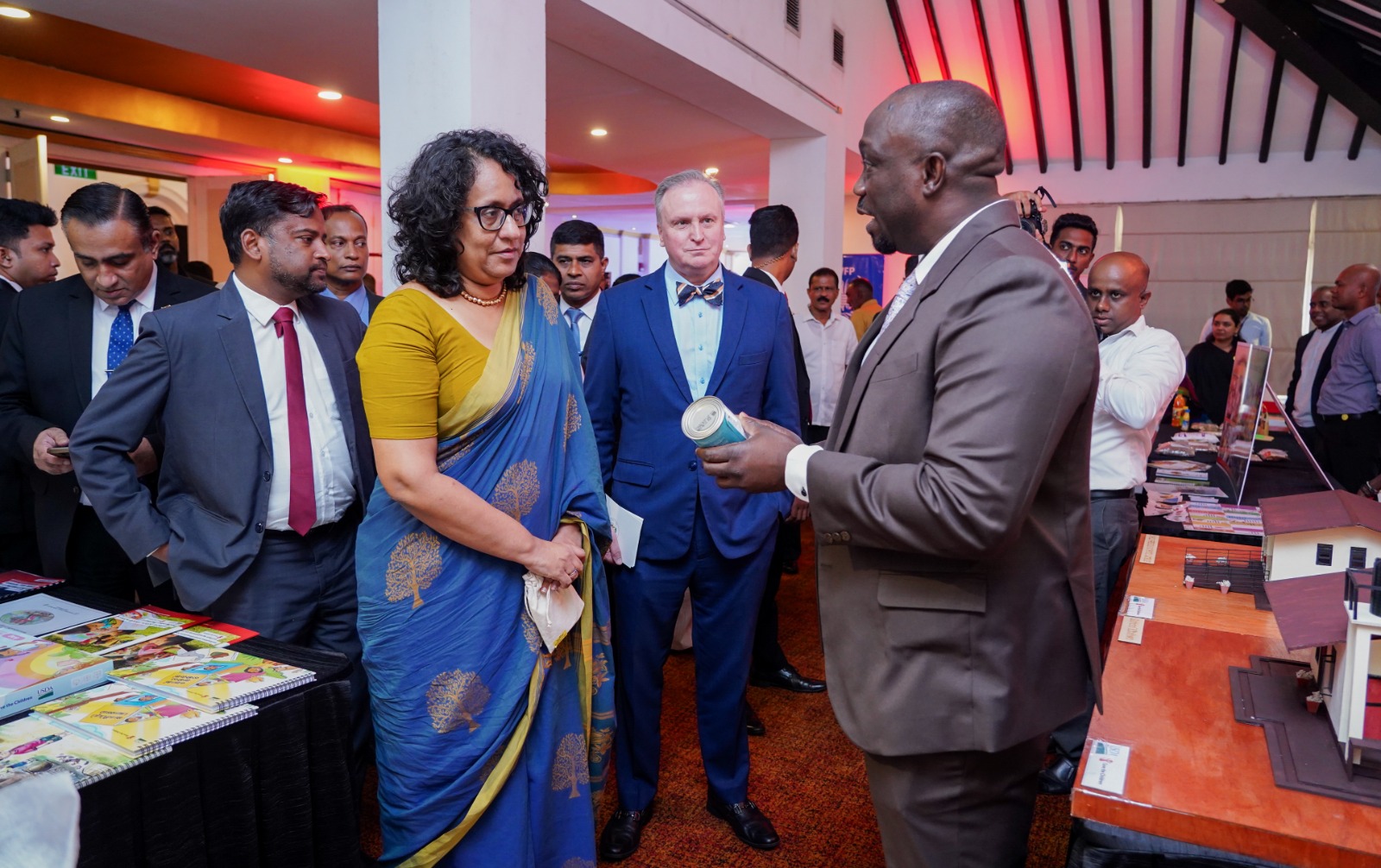
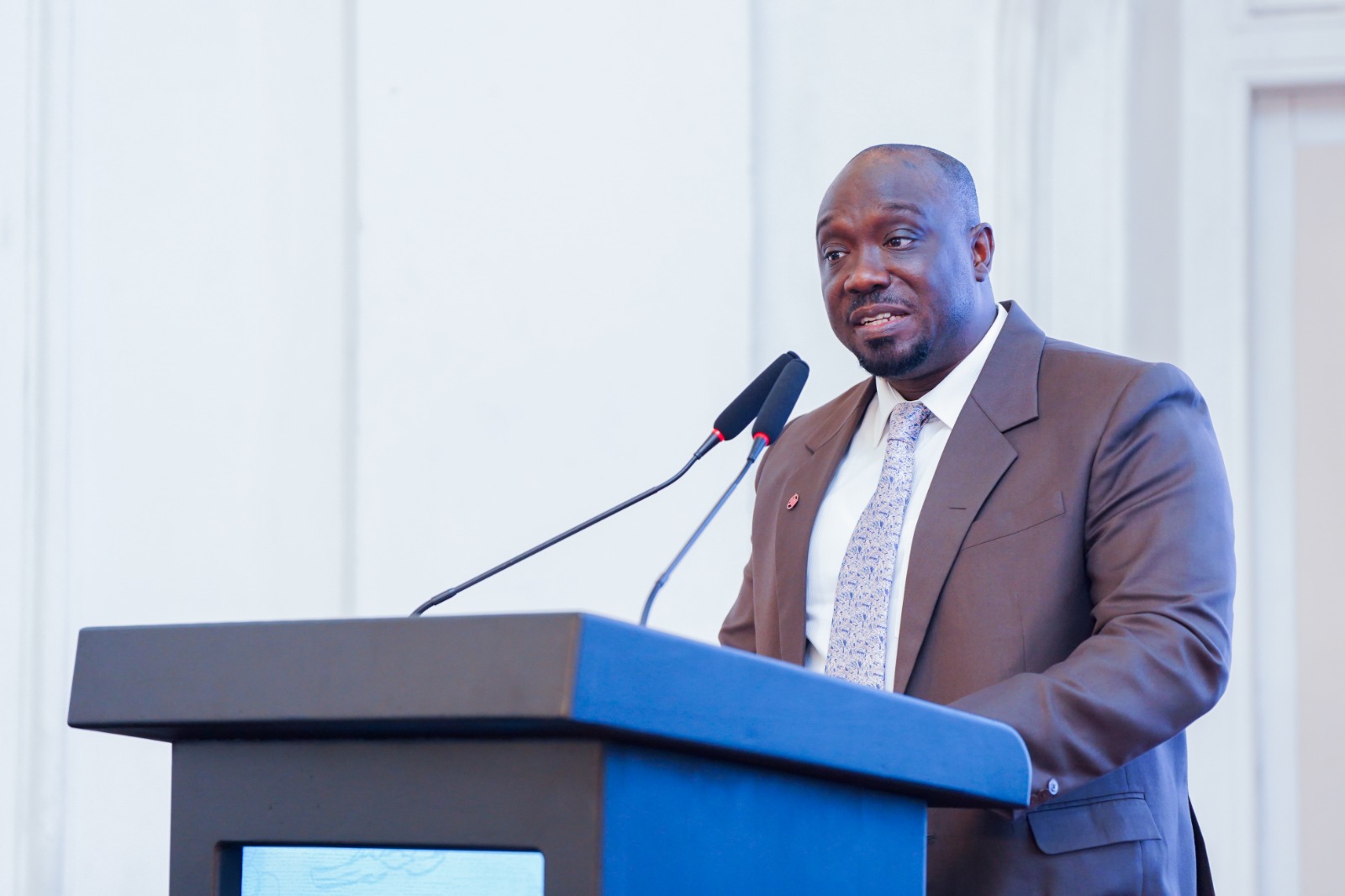
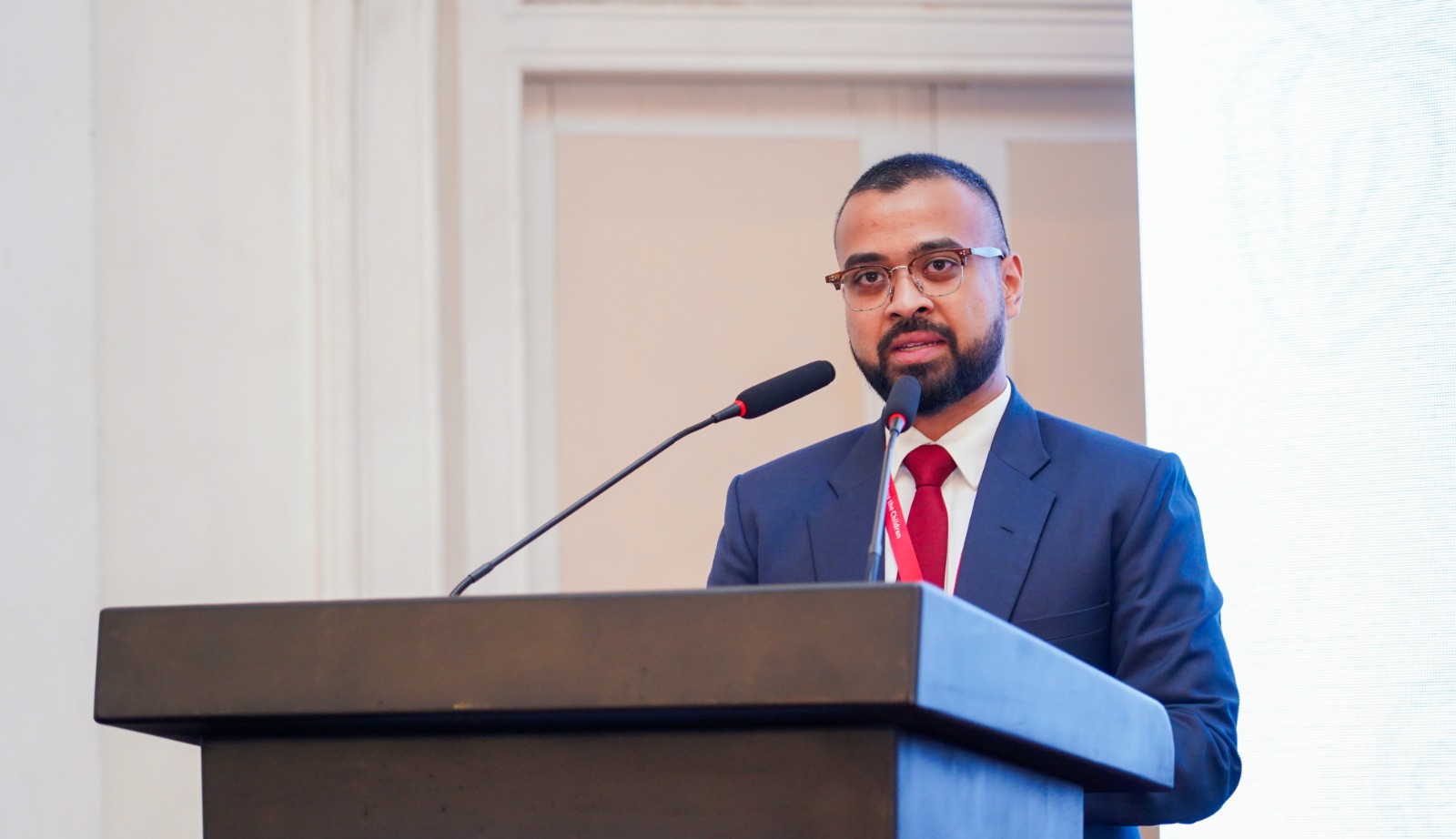
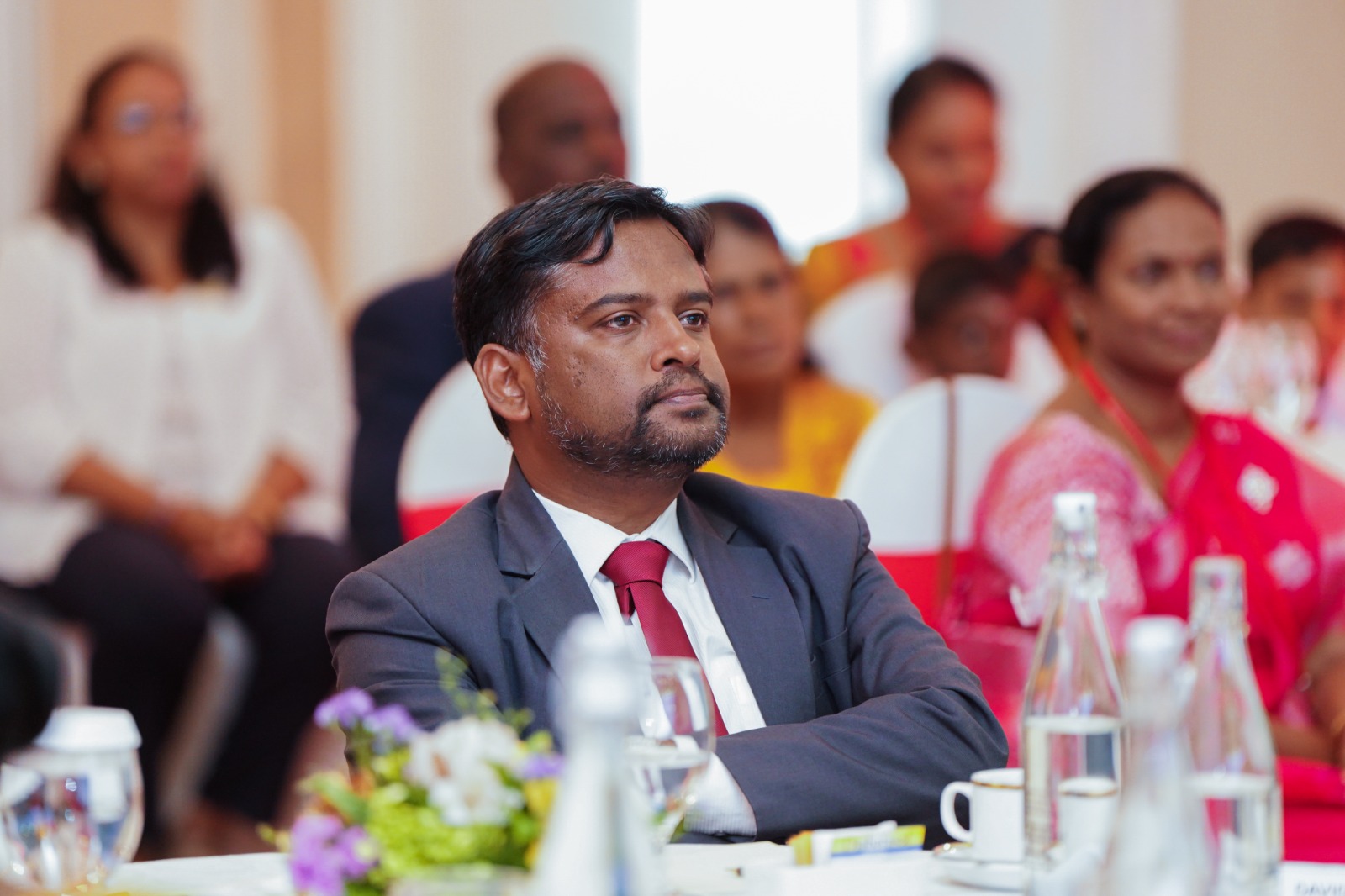
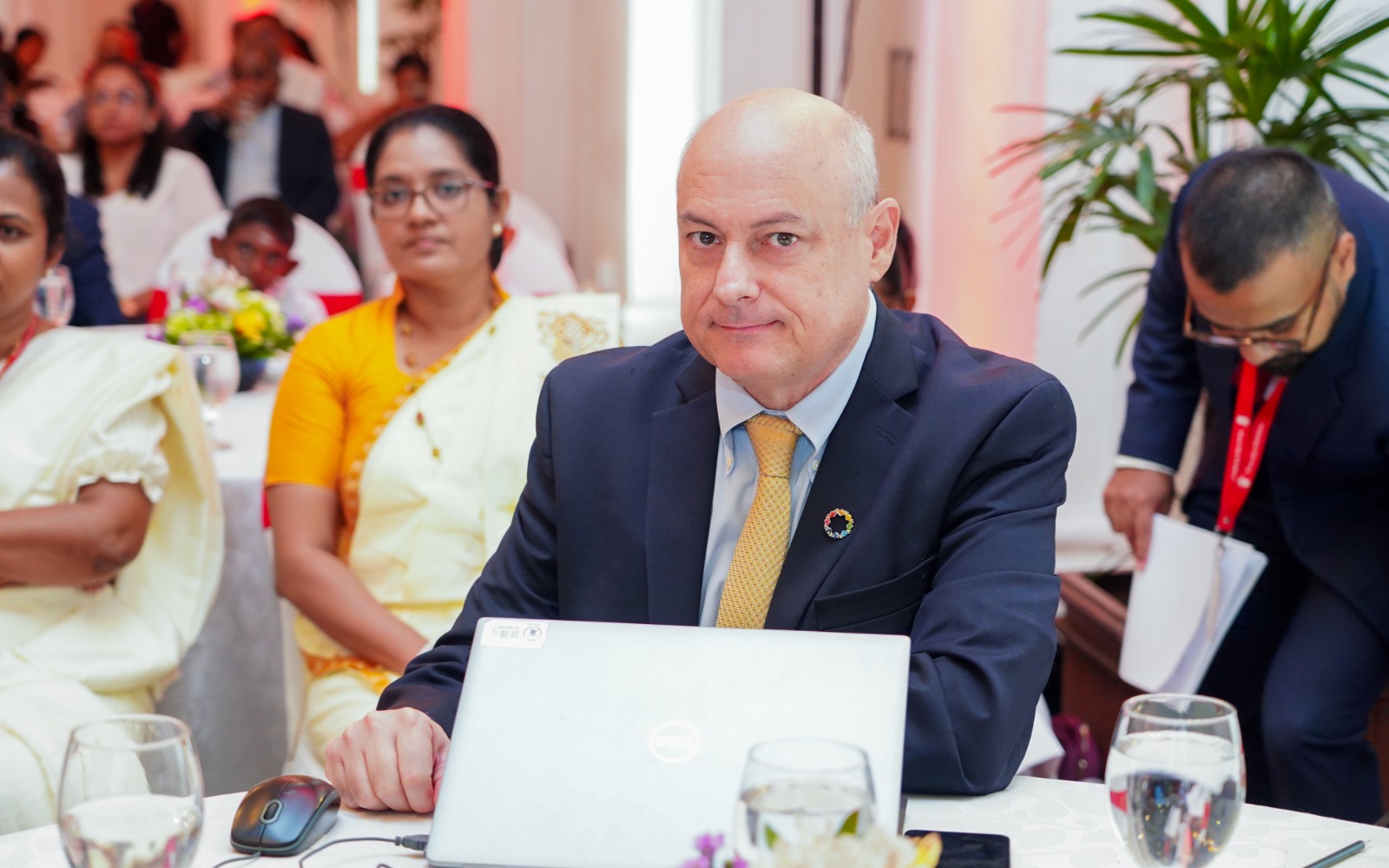
The event was attended by Deputy Minister of Education and Higher Education Dr. Madhura Seneviratne, Secretary to the Ministry of Education, Higher Education, and Vocational Education Nalaka Kaluwewa, Charge d’Affaires of the U.S. Embassy David Moyer, Country Director of Save the Children Micah Olyad, along with officials from relevant ministries, education authorities, and partner organizations.







0
