
Promises and Delivery in the AKD Government
By Adolf
Political leaders are often at their most eloquent when they are in opposition. They condemn corruption, extravagance, waste, privilege and the abuse of power. They promise to dismantle the political establishment, restore accountability and govern differently. But the real test of political integrity begins not when they criticise others, but when they themselves acquire power, privilege and access to public resources.
President Anura Kumara Dissanayake and his Government came to power promising a fundamental change in Sri Lanka’s political culture. The promise was powerful because people were tired of political arrogance, extravagance, corruption and leaders who appeared disconnected from the struggles of ordinary citizens. The electorate was not merely voting for a change of Government; it was voting for a change in the way the country was governed.
The Rajapaksa era, particularly the concentration of power, family influence and the abuse of political privilege, left a deep scar on the country. Sri Lanka paid an enormous price for political mismanagement, economic irresponsibility and the erosion of public confidence. The demand for change was legitimate, necessary and overdue.
But replacing one political establishment with another does not automatically deliver a new political culture. The danger is that those who once condemned privilege may gradually become comfortable with the very privileges they criticised.
Harini the Prime Minister
Questions surrounding the huge cost and business class of overseas travel by senior members of the Government, including Foreign Minister Vijitha Herath and the Prime Minister, deserve clear answers. When a Government asks citizens to bear higher taxes, accept economic hardship and make sacrifices in the national interest, it cannot be indifferent to the cost of its own official expenditure. The public has every right to know what these trips cost, why particular travel arrangements were necessary and what tangible benefits Sri Lanka received.
The Prime Minister’s own journey from academia to politics was presented as a story of simplicity from bus travel to Tuks and connection with ordinary people. Her political messaging, including criticism of the privileges enjoyed by political leaders and promises concerning official vehicles to use a Double Cab, helped reinforce that image. Yet public discussion surrounding the contrast between those promises and the vehicles reportedly associated with her subsequent official life, including luxury 600 Mercedes-Benz and BMW models raised in Parliament by MP Sujewa Semasinghe , raises uncomfortable questions. If these reports are accurate, the Government must explain the apparent contradiction. Political promises made to win elections cannot simply disappear once the keys to power are handed over.
Mexico President
The contrast with Mexico is instructive. President Claudia Sheinbaum recently attracted international attention after travelling to China on commercial flights in economy class, enduring a lengthy journey reportedly lasting around 21 hours each way. Following her journey, she publicly thanked the China Southern Airlines crew. Her actions sent a message that leadership is not necessarily about displaying status or enjoying the privileges of office. It is also about demonstrating restraint, humility and respect for public resources.
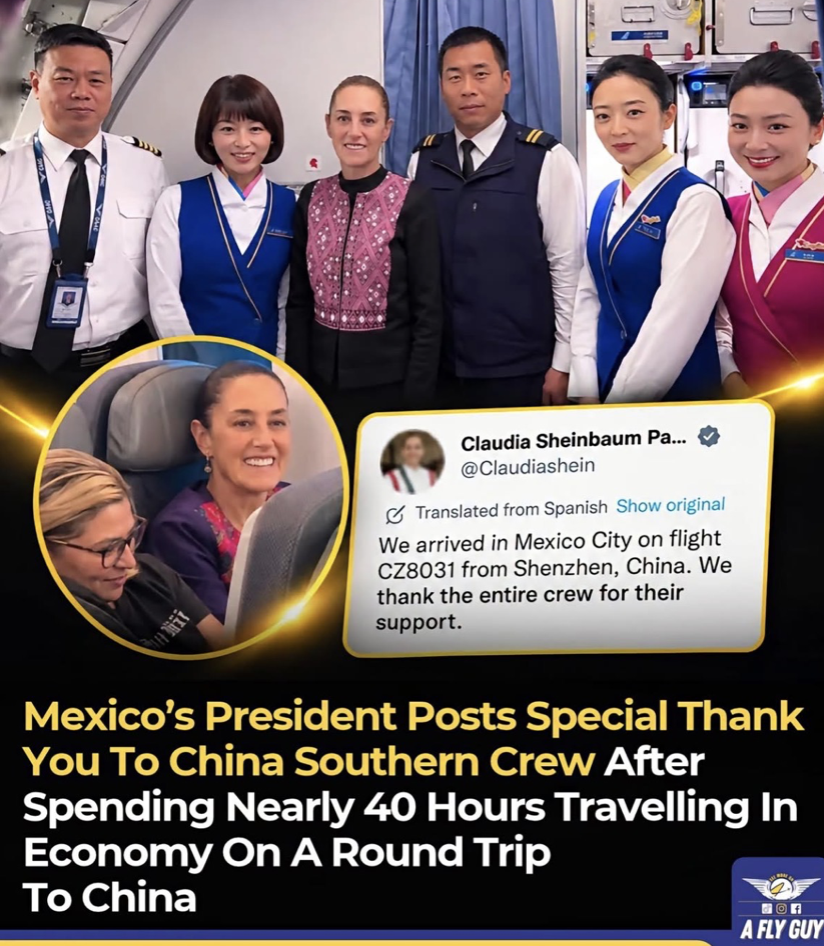
Of course, security, diplomatic protocol and operational requirements may justify different arrangements for heads of state and ministers. But such justifications should be transparent, reasonable and proportionate. They should not become convenient excuses for extravagance. Especially given the way they projected themselves to win the elections.
AKD himself spent years in opposition criticising everysuccessive presidents, including their lifestyles, spending and abuse of power. His Government must now accept that the standards it demanded of others apply equally to itself. It cannot claim moral superiority simply because it replaced its predecessors.
Reality
The public is increasingly interested in delivery, not political theatre. Where are the promised improvements in living standards, employment, investment, public services and economic opportunity? How much of the promised transformation is visible in people’s daily lives? A Government cannot indefinitely govern on the political capital earned during an election campaign.
The greatest threat to the AKD Government is not the opposition. It is the gap between the promises that brought it to power and the conduct of those now exercising it.
Political slogans won AKD elections. Moral posturing won him applause. But only consistency, accountability and delivery will sustain public trust. Those who promised to dismantle the old political culture must be careful not to become its newest practitioners—and ultimately its newest victims, ending up in the political dustbin alongside those they once condemned.
The cycle of political revenge that critics accuse this Government of unleashing may prove far easier to start than to stop. Ironically when political vendetta replaces governance, it can consume all those who initiate it, undermine institutions and leave the country trapped in thecycle of instability, resentment and retribution.
The post Promises and Delivery in the AKD Government appeared first on LNW Lanka News Web.
