
The UAE Has Left OPEC — And It Changes Everything
The Structural Problem
India’s domestic crude oil production has been falling for 11 consecutive years, dropping 2.5% to 28 million metric tonnes in FY2026. This is not a resource story — India has proven fields — it is a story of ageing infrastructure and under-investment. Daily domestic needs run at roughly 5.8 million barrels; domestic output covers only around 530,000–550,000 barrels of that. The rest — nearly 90% — is imported, putting enormous strain on the nation’s foreign exchange reserves.
India is the world’s third-largest oil importer, after China and the United States. Its key suppliers are Persian Gulf states — Saudi Arabia, Iraq, UAE. From 2022, Russia began offering heavily discounted crude following Western sanctions. India has taken full advantage, buying Russian oil at prices 15–20% below market.
Where India’s Own Oil Comes From
Mumbai High (Western Offshore) is India’s largest and most strategically important field, located approximately 160 km off the Maharashtra coast in the Arabian Sea. Operated by ONGC since 1976, it accounts for roughly 35% of India’s domestic crude production — around 131,000 barrels/day as of 2025. The field is past its peak production levels, but ONGC has reported new discoveries nearby.
Rajasthan (Barmer Basin) is India’s top onshore producing state. The Barmer block, originally developed by Cairn India (now Vedanta), produces light crude and has been a relative bright spot in an otherwise declining production picture.
Assam (Brahmaputra Valley) is India’s oldest producing region. Digboi, discovered in 1889, is one of the oldest oil fields in the world still in production.
Gujarat (Cambay Basin) adds further onshore output from the Mehsana and Gandhar areas.
Krishna-Godavari (KG) Basin off Andhra Pradesh in the Bay of Bengal is the most significant deepwater frontier. ONGC began producing oil from its deep-water block in early 2024, targeting 45,000 barrels/day at peak. Reliance Industries and BP also operate in the KG Basin, primarily for natural gas.
The Tamil Nadu coast hosts the Cauvery Basin, while the recently revived PY-3 field is operated by a joint venture of Hardy Exploration, Invenire Petrodyne, and ONGC, producing light sweet crude.
The Import Dependency Trap
India’s 89% import dependency is a strategic vulnerability of the first order. Every $10 rise in the global oil price adds approximately $15 billion to India’s annual import bill. The rupee weakens as oil prices rise, compounding the cost. India’s current account deficit, inflation, and fuel subsidies are all directly tied to the price of a barrel of crude set in markets it does not control.
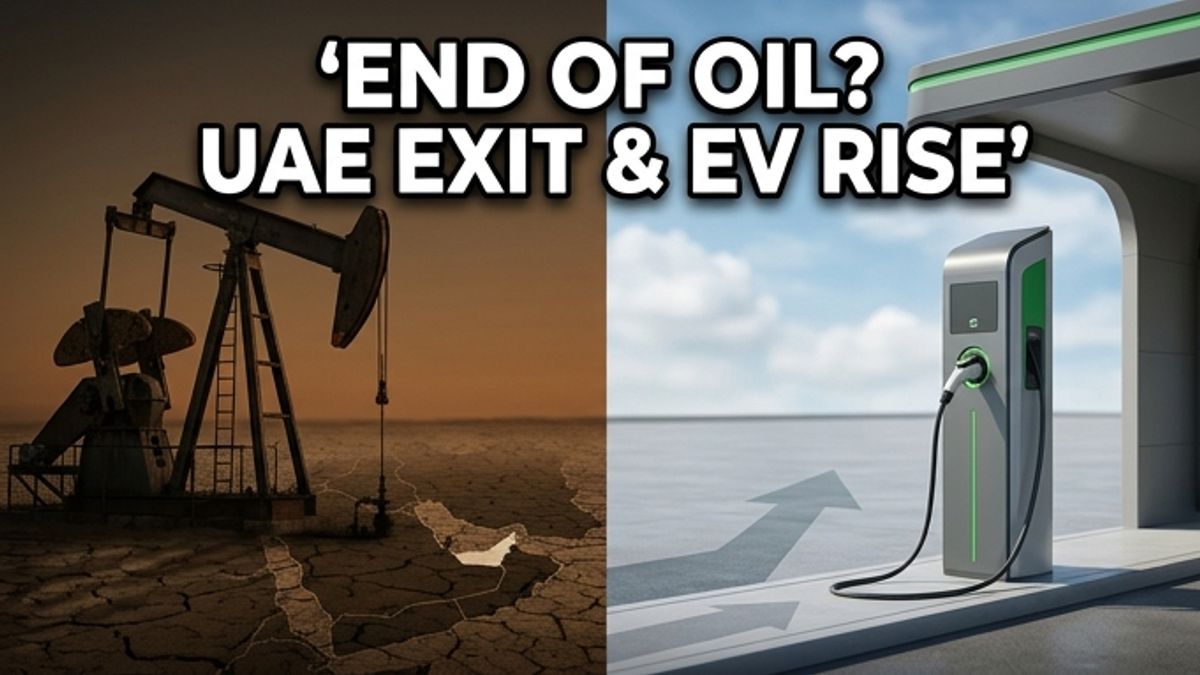
⚡ India’s EV Response
India’s oil vulnerability is the primary reason it has invested so aggressively in domestic EV manufacturing and two-wheeler electrification. The electric two-wheelers transition is already reducing petrol demand. India aims for 30% of new vehicle sales to be electric by 2030.
