US–Iran Talks To Begin in Pakistan Today: Who Are Attending & What’s At Stakes?
International
oi-Prakash KL

Diplomatic talks between the United States and Iran will get under way this weekend, with senior officials from both sides meeting to address rising regional tensions, sanctions, and security concerns. The discussions follow weeks of indirect communication and international pressure to avoid further escalation.
The United States delegation is led by JD Vance, supported by senior envoys and policy advisers. Officials have indicated that Washington's priorities include de-escalation, ensuring maritime security in the Gulf, and placing limits on Iran's nuclear programme. The US side is also seeking commitments related to regional stability, particularly in relation to ongoing conflicts involving Iranian-backed groups.
Senior US officials, including JD Vance, and Iranian officials, including Foreign Minister Abbas Araqchi, are meeting in Islamabad, Pakistan, for diplomatic talks addressing regional tensions, sanctions relief, maritime security, and Iran's nuclear program.
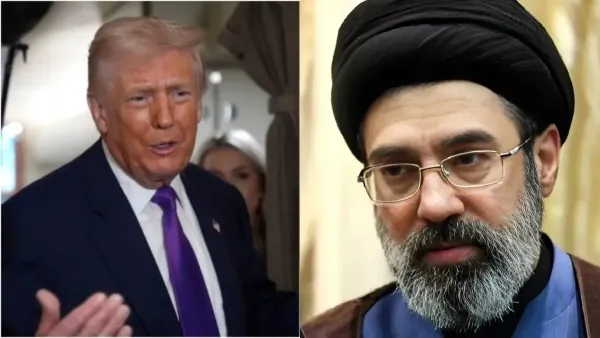
Iran is represented by Foreign Minister Abbas Araqchi and other senior officials. Tehran has stated that sanctions relief remains a central condition for any agreement. Iranian negotiators are also expected to raise broader regional issues, including developments in Lebanon and the role of allied groups.
The talks are being hosted in Islamabad, with the government of Pakistan facilitating the meeting. While Pakistan is not a direct party to the dispute, it has played a mediating role by providing a neutral venue and supporting dialogue between the two sides.
Notably, several key stakeholders are not present at the negotiating table. Israel, which has been closely involved in related regional developments, is not participating in the talks. Its absence reflects the limited scope of the current discussions, which are focused primarily on bilateral issues between Washington and Tehran.
European countries, including the United Kingdom, France, and Germany, are also not directly involved in the negotiations. However, officials from these countries have expressed support for diplomatic efforts and have called for restraint from all parties. They are expected to remain engaged through parallel diplomatic channels.
Regional actors such as Qatar, Turkey, and Egypt have reportedly contributed to preliminary discussions, but are not formal participants in the current round of talks.
In diplomatic terms, "talks" refer to structured negotiations between parties aimed at resolving disputes or reaching agreements. In this case, the discussions are focused on reducing tensions, addressing sanctions, and establishing conditions for longer-term stability. The agenda is expected to include nuclear issues, regional security concerns, and economic measures.
Officials on both sides have described the talks as preliminary, with no guarantee of a final agreement. Analysts note that differences remain significant, particularly regarding sanctions and regional policy. However, the fact that direct engagement is taking place has been viewed as a positive step towards dialogue.
Further rounds of discussions may follow, depending on progress made during the current meeting. For now, attention remains on whether the talks can produce initial confidence-building measures and prevent further escalation in the region.
-

Dacoit 1st Day Box Office Collection: Adivi Sesh's Film Off To Slow Start
-

New OTT Releases In Hindi, Tamil, Malayalam, Punjabi, Marathi: This Week's 25 New Film & Series List
-

Dacoit Movie Review: What's Good, What's Bad In Adivi Sesh's Film?
-

Mukul Choudhary Stars For LSG In Kolkata Knight Riders vs Lucknow Super Giants Game, Scores Fifty In IPL 2026
-

Jana Nayagan Leak: BJP, DMK Released Vijay's Film Online, Aadhav Arjuna's Big Claims
-
Crude Oil Price Today - April 11: Brent Dips To $95.20 - Check Rates Per Barrel for WTI, Murban, Dubai Crude
-
Trump Warns Of Strike On Iran Ahead Of Crucial Islamabad Talks, Says US Warships Ready
-
Iran Introduces Alternative Shipping Routes In Strait Of Hormuz As Ceasefire Row Deepens And Regional Tensions
-
How Much Will Iran Charge Shipping Firms To Let Oil Tankers Cross The Strait Of Hormuz?
-

Mia Khalifa Viral Video: Lebanon Model, Actor Breaks Down In Latest Instagram Post After Israel Strikes
-
‘Oil Will Flow, With or Without Iran’: Trump Warns Tehran Over Strait of Hormuz Toll Report
-

Petrol Diesel Prices Today, April 11: How Long Can India Hold Off a Fuel Price Hike?